प्रकाशित
Simple Windmill Drawing: A Beginner's Guide to Illustrating Classic Structures
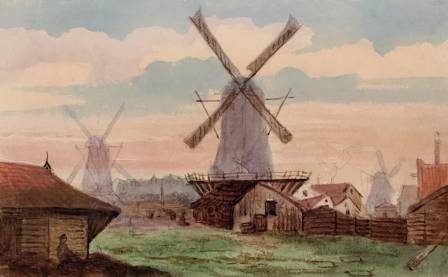
For hundreds of years, the distinctive silhouette of the windmill has captivated the imagination of artists. These iconic buildings are still a common sight in countries like Denmark, where they serve as a testament to both historical charm and engineering ingenuity. This lesson focuses on simplifying the complex appearance of a windmill into manageable shapes, allowing students to recreate the massive fan structure using basic geometric lines.
Joshua Kelsy
लेखक
##
For hundreds of years, the distinctive silhouette of the windmill has captivated the imagination of artists. These iconic buildings are still a common sight in countries like Denmark, where they serve as a testament to both historical charm and engineering ingenuity. This lesson focuses on simplifying the complex appearance of a windmill into manageable shapes, allowing students to recreate the massive fan structure using basic geometric lines.
Beyond their visual appeal, windmills represent a significant chapter in the history of technology. Pioneers such as Poul la Cour, who lived in Denmark during the mid-19th century, conducted early experiments with wind energy. His innovative work provided the essential framework for the modern wind turbines and power plants that generate sustainable energy today. Learning to draw these structures offers a bridge between creative expression and an appreciation for scientific history.
Essential Tools for Your Artwork
To achieve the best results with this project, it is helpful to have the right supplies on hand. While basic materials will suffice, using specific tools can enhance the final look of your drawing.
Drawing Surfaces and Sketching Tools
High-quality drawing paper is recommended for a smooth finish, though standard paper works well for practice. Use a reliable graphite pencil to establish dark, clear outlines that are easy to follow and refine.
Inking and Coloring
A black permanent marker is ideal for tracing your final lines, providing a bold contrast that makes the image stand out. For adding color, a large set of crayons or colored pencils is beneficial, as a wider variety of shades allows for more depth and creativity in your landscape.
##
Detailed Steps for Drawing a Windmill
This tutorial is designed to take approximately 45 minutes from start to finish. Follow these stages to build your illustration from the ground up.
Constructing the Building
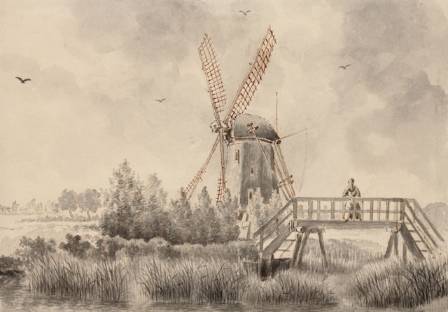
Begin by sketching a dome shape to represent the roof of the windmill. Beneath this dome, draw the sides of the structure using slightly curved vertical lines. Once the main frame is set, add details such as windows and a central door to give the building character.
Creating the Blades
To draw the iconic fan, place a small circle in the upper center of the building and draw a large, symmetrical "X" extending from it. These lines serve as the arms for the sails. Next, attach a rectangular panel to each arm and fill these panels with grid lines to mimic the look of traditional lattice blades.
Completing the Landscape
Finish your artwork by adding background elements like rolling hills or a horizon line to provide perspective. In the foreground, you can draw a field of simple flowers to add color and life to the scene. Finally, trace your pencil marks with a black marker and fill in your masterpiece with vibrant colors.
Creative Variation: Painting on a Plate
If you are looking for a unique way to display your art, consider using an uncoated paper plate as your canvas instead of traditional paper. Cheap, porous plates absorb watercolor paint beautifully, preserving the rich textures that watercolor is famous for.
This method is particularly useful for classroom settings or group activities. Because the plates are lightweight and have a built-in "frame" shape, you can easily tape them to a wall to create an instant gallery show. This alternative approach is perfect for artists who want to experiment with different textures while practicing their windmill designs.
आपके लिए और खबरें
Ten Essential Facts About the Bald Eagle
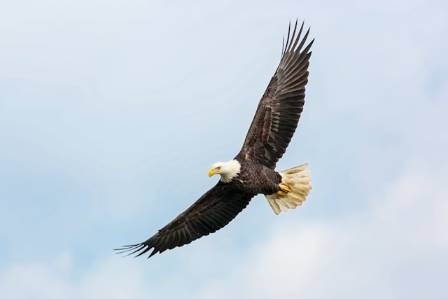
As a Guinness World Record holder and a symbol of national pride, the Bald Eagle is arguably the most famous bird in North America. These formidable predators are commonly found near large bodies of water, where they construct massive nests and dominate their ecosystems. While their image is synonymous with American identity, these raptors possess several unique and surprising characteristics that go beyond their patriotic reputation.

Unraveling the Charm: The Endearing Allure of Dogs and Cats
If your heart skips a beat at the sight of an exuberant puppy wagging its tail or a drowsy kitten stretching in a yawn, you're not alone. Humans have shared an enduring fascination with the irresistible cuteness of their furry companions for centuries. But what lies beneath this universal adoration? Why do we perceive cats as cute, and what is it about dogs that tugs at our heartstrings? Let's delve into the enchanting world of pet cuteness to unravel the mysteries behind our affection for these charming creatures.

Discover the Diversity: 6 Varieties of Daisies to Illuminate Your Garden
Daisies, an integral part of the vast Asteraceae family, comprise an astounding 10 percent of the world's flowering plants. While the Common Daisy and Gerbera Daisy often steal the spotlight, it's fascinating to note that there are over 20,000 distinct "daisy" species within this extensive plant family. The Asteraceae family boasts not only daisies but also includes members like sunflowers, chrysanthemums, and even lettuce.

Intriguing Seahorse Insights for Children
Despite their unusual appearance, these creatures are classified as fish.

The 5 Best Lightweight Vacuums - Summer 2024
Thanks to advancements in design and materials, vacuum cleaners have become increasingly lightweight.

The Ultimate Guide to Selecting a Premium Women’s T-Shirt
A high-quality t-shirt is the cornerstone of a functional wardrobe. It should offer a balance of comfort, a flattering silhouette, and a commitment to longevity. Selecting the right piece involves looking beyond the surface to understand the materials, construction, and ethical standards behind the garment. This guide will help you identify a t-shirt that remains a favorite in your rotation for years to come.