प्रकाशित
The Basics of Pottery Clay
Clays and non-plastic soils are produced from the breakdown of rocks, resulting in extremely fine particles. Most clay contains a mixture of various clay minerals, along with differing amounts of metal oxides and organic matter. These differences are what distinguish the types of pottery clay. Below, we explore the characteristics of clay and the main varieties used in ceramics.
Olivia Clark
लेखक
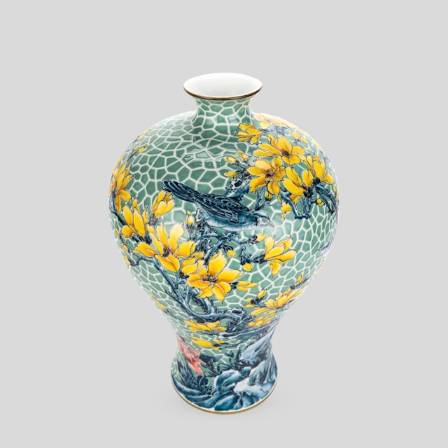
Clays and non-plastic soils are produced from the breakdown of rocks, resulting in extremely fine particles. Most clay contains a mixture of various clay minerals, along with differing amounts of metal oxides and organic matter. These differences are what distinguish the types of pottery clay. Below, we explore the characteristics of clay and the main varieties used in ceramics.
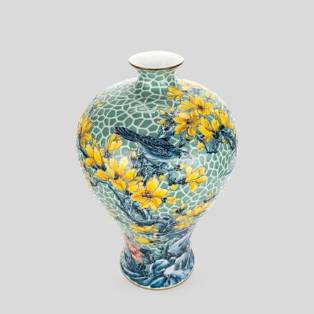
1. Plasticity of Clay
Clay stands apart from non-plastic earth and fine sand because of its ability to form a cohesive, moldable mass when moistened properly. This property, called plasticity, allows the clay to hold its shape during shaping or sculpting. When fired at high temperatures, clay partially vitrifies, transforming into a hard, dense, rock-like material known as ceramic.
2. Categories of Clay
Clays are classified according to their properties and the firing temperature needed to reach maturity—the point at which they achieve maximum hardness and durability. The three most widely used clay types are:
Earthenware clay
Mid-fire stoneware clay
High-fire stoneware clay
These clay bodies are often sold in ready-to-use moist form, but potters can also create custom clay bodies by mixing dry clays and additives with water to achieve specific characteristics.
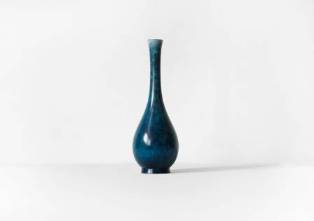
3. Earthenware Clay
Earthenware is one of the oldest and most common clay types. It is highly plastic and easily shaped, though sometimes sticky. Earthenware contains iron and other minerals that allow it to mature at relatively low temperatures, typically between 950°C and 1100°C (1745–2012°F).
The natural color of moist earthenware ranges from red, orange, yellow, to light gray. Once fired, colors include brown, red, orange, buff, medium gray, and white. The final color depends on mineral content and firing method. Terracotta, meaning “baked earth,” is a popular form of earthenware.
4. Stoneware Clay
Stoneware clays are also plastic and usually gray when moist. When fired, their colors range from light gray and buff to medium gray and brown, influenced by the firing process.
Mid-fire stoneware matures between 1160°C and 1225°C (2150–2260°F).
High-fire stoneware matures between 1200°C and 1300°C (2200–2336°F).
Stoneware is known for its strength and durability.
5. Ball Clay
Ball clay is a very fine-textured, highly plastic clay with few impurities. It matures around 1300°C (2336°F).
Because of its high shrinkage during drying and firing, ball clay is rarely used alone. It is most effective when blended with other clays to enhance plasticity and workability in a clay body.
6. Fire Clay
Fire clay is prized for its high firing temperature, often around 1500°C (2696°F). It is relatively free of impurities but may contain iron spots that create a speckled texture when fired.
Fire clay is used to increase the maturation temperature in stoneware bodies, add texture or “tooth,” line kilns, support ceramic pieces, and seal kiln doors.
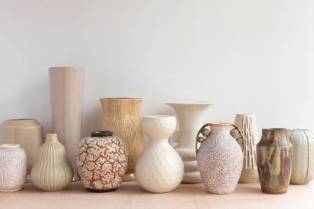
7. Kaolin (Porcelain) Clay
Kaolin, or porcelain clay, is extremely pure and very light in color. Moist kaolin is typically light gray, while fired clay ranges from near-white to white.
Kaolin is less plastic than other clays, making it harder to shape. It fires at very high temperatures, around 1800°C (3272°F). To improve workability and lower firing temperature, it is often mixed with ball clay. Most porcelain bodies combine kaolin with ball clay for a balance of plasticity and strength.
आपके लिए और खबरें

Ten Essential Facts About the Bald Eagle
As a Guinness World Record holder and a symbol of national pride, the Bald Eagle is arguably the most famous bird in North America. These formidable predators are commonly found near large bodies of water, where they construct massive nests and dominate their ecosystems. While their image is synonymous with American identity, these raptors possess several unique and surprising characteristics that go beyond their patriotic reputation.
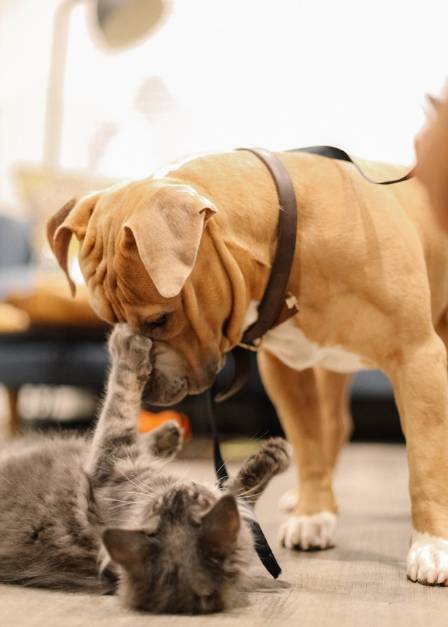
Unraveling the Charm: The Endearing Allure of Dogs and Cats
If your heart skips a beat at the sight of an exuberant puppy wagging its tail or a drowsy kitten stretching in a yawn, you're not alone. Humans have shared an enduring fascination with the irresistible cuteness of their furry companions for centuries. But what lies beneath this universal adoration? Why do we perceive cats as cute, and what is it about dogs that tugs at our heartstrings? Let's delve into the enchanting world of pet cuteness to unravel the mysteries behind our affection for these charming creatures.
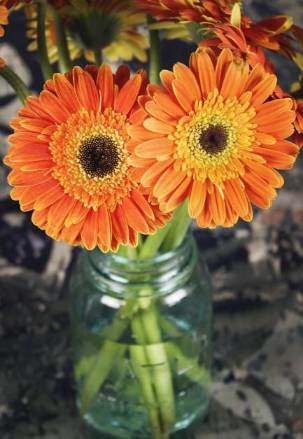
Discover the Diversity: 6 Varieties of Daisies to Illuminate Your Garden
Daisies, an integral part of the vast Asteraceae family, comprise an astounding 10 percent of the world's flowering plants. While the Common Daisy and Gerbera Daisy often steal the spotlight, it's fascinating to note that there are over 20,000 distinct "daisy" species within this extensive plant family. The Asteraceae family boasts not only daisies but also includes members like sunflowers, chrysanthemums, and even lettuce.
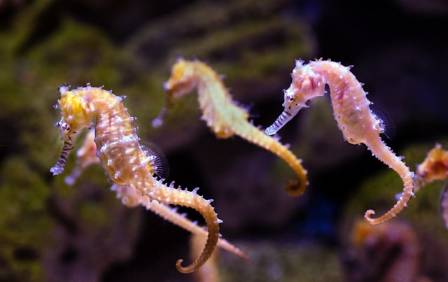
Intriguing Seahorse Insights for Children
Despite their unusual appearance, these creatures are classified as fish.
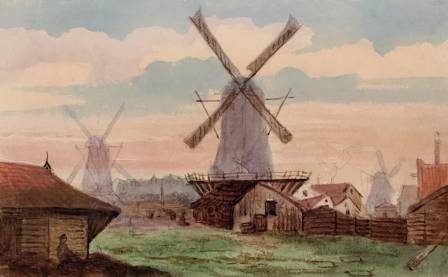
Simple Windmill Drawing: A Beginner's Guide to Illustrating Classic Structures
For hundreds of years, the distinctive silhouette of the windmill has captivated the imagination of artists. These iconic buildings are still a common sight in countries like Denmark, where they serve as a testament to both historical charm and engineering ingenuity. This lesson focuses on simplifying the complex appearance of a windmill into manageable shapes, allowing students to recreate the massive fan structure using basic geometric lines.
The 5 Best Lightweight Vacuums - Summer 2024
Thanks to advancements in design and materials, vacuum cleaners have become increasingly lightweight.