प्रकाशित
The biggest sports stadiums in the world
Introduction Sports fans, we have a treat for you. We've put together a list of the biggest sports stadiums in the world. The list includes everything from soccer stadiums to rugby grounds, so you're sure to find something that will get your blood pumping!
Vidar
लेखक
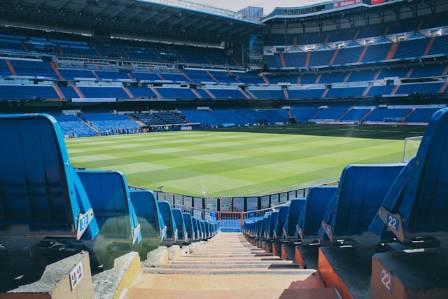
Rungrado 1st of May Stadium
You might expect the world's largest stadium to be in a country known for its strong sports traditions, but that's not the case. The Rungrado 1st of May Stadium, located in Pyongyang, North Korea, opened its doors in 1989 and can accommodate 150,000 spectators. Though it hosts the national football team's matches, both international and domestic, it's not as frequently used as you might imagine.
In fact, if you're hoping to attend an international match at this massive stadium, you may want to reconsider. It's nearly impossible to secure tickets when they are available. With only 2 million residents in Pyongyang and 6 million people across all of North Korea, demand far outweighs the supply.
Salt Lake Stadium
Salt Lake Stadium, located in Kolkata, India, is the second largest stadium in the world, boasting a seating capacity of 100,000. This stadium hosted the opening and closing ceremonies of the 2002 Winter Olympics and was the venue for the first FIFA World Cup final held in India—Germany vs. Spain at the 2011 FIFA U-17 World Cup. It has also been the stage for numerous international soccer games and domestic cricket matches.
Camp Nou (FC Barcelona)
Camp Nou, in Barcelona, Spain, is one of the biggest stadiums globally, with a seating capacity of 98,354. Opened in 1957, it has been the home of FC Barcelona and is also used for non-sporting events, such as concerts and cultural activities. Originally named Estadi del FC Barcelona, the stadium was later renamed in honor of Joan Gamper, the club's founder and a pivotal figure in the early history of FIFA.
Melbourne Cricket Ground
The Melbourne Cricket Ground (MCG) in Australia holds the title of the largest cricket stadium globally, with a capacity of 100,000. This historic stadium was completed in 1853 and remains a central venue for Australian sports, particularly cricket, while also hosting major events across a range of sports.
##

Beaver Stadium
Beaver Stadium is the largest sports facility in the world, with a seating capacity of 106,572. Located at Penn State University in Pennsylvania, USA, it opened in 1960 and serves as the home of the Nittany Lions football team. The stadium is named after James A. Beaver, a former university president, though he passed away before it was constructed.
Ohio Stadium
Ohio Stadium, home to The Ohio State University's football team, is the second-largest stadium in the U.S., with 102,329 seats. Known for its unique horseshoe-shaped design, Ohio Stadium stands out among American venues. It was designed by Charles Follen McKim and Arthur Brown, who were inspired by Harvard Stadium. Since its opening in 1922, it has hosted numerous significant events beyond football, including graduation ceremonies and large public gatherings.
Bryant-Denny Stadium
Bryant-Denny Stadium, with a capacity of 101,821, is located at the University of Alabama and is the home of the Crimson Tide football team. Opened in 1929, it was named after legendary Alabama coach Paul "Bear" Bryant. It is the largest stadium in the Southeastern Conference and ranks as the 10th largest football stadium in the country.
Kyle Field (Texas A&M)
Kyle Field, at Texas A&M University, is the largest stadium in the Southeastern Conference and the second-largest in the NCAA Division I Football Bowl Subdivision. The stadium seats 102,733 and has been expanded and renovated multiple times, with a significant $485 million expansion completed in 2015. Originally built in 1927, Kyle Field is one of the most well-attended college football venues in the nation.
Neyland Stadium (Tennessee)
Located in Knoxville, Tennessee, Neyland Stadium has been home to the University of Tennessee Volunteers football team since 1921. It boasts a current seating capacity of 106,038 after a renovation in 2016. Neyland Stadium once held the record for the largest crowd in its history, with 109,061 fans in attendance during a game against Alabama in 1994, though that was achieved with temporary seating.
Michigan Stadium
Michigan Stadium, also known as "The Big House," is the largest football stadium in the United States, with a capacity of 109,901. Located in Ann Arbor, Michigan, it has been home to the Michigan Wolverines since 1927. In addition to football games, Michigan Stadium has hosted major events like WrestleMania III and Super Bowl XL, drawing crowds of over 100,000 spectators.
Additional Noteworthy Stadiums
-
The National Stadium, Singapore: With a capacity of 50,000, this stadium is mainly used for football matches and concerts. It's also a hub for local and international competitions.
-
ISL Football Stadium, Chennai, India: This multi-purpose venue has hosted cricket tournaments, rugby matches, and rock concerts, including Jay-Z's 2015 performance during his Magna Carter World Tour.
-
Emirates Airline Stadium, Johannesburg, South Africa: Home to South Africa's top rugby teams, this stadium has an official capacity of 51,900 but can accommodate up to 68,000 spectators when necessary.
Conclusion
This list highlights some of the world’s largest and most iconic stadiums. Whether for football, rugby, cricket, or other major events, these stadiums are symbols of sporting culture and pride for their respective countries. Each one serves as a testament to the scale and grandeur of modern sports infrastructure.
आपके लिए और खबरें
Ten Essential Facts About the Bald Eagle
As a Guinness World Record holder and a symbol of national pride, the Bald Eagle is arguably the most famous bird in North America. These formidable predators are commonly found near large bodies of water, where they construct massive nests and dominate their ecosystems. While their image is synonymous with American identity, these raptors possess several unique and surprising characteristics that go beyond their patriotic reputation.

Unraveling the Charm: The Endearing Allure of Dogs and Cats
If your heart skips a beat at the sight of an exuberant puppy wagging its tail or a drowsy kitten stretching in a yawn, you're not alone. Humans have shared an enduring fascination with the irresistible cuteness of their furry companions for centuries. But what lies beneath this universal adoration? Why do we perceive cats as cute, and what is it about dogs that tugs at our heartstrings? Let's delve into the enchanting world of pet cuteness to unravel the mysteries behind our affection for these charming creatures.

Discover the Diversity: 6 Varieties of Daisies to Illuminate Your Garden
Daisies, an integral part of the vast Asteraceae family, comprise an astounding 10 percent of the world's flowering plants. While the Common Daisy and Gerbera Daisy often steal the spotlight, it's fascinating to note that there are over 20,000 distinct "daisy" species within this extensive plant family. The Asteraceae family boasts not only daisies but also includes members like sunflowers, chrysanthemums, and even lettuce.

Intriguing Seahorse Insights for Children
Despite their unusual appearance, these creatures are classified as fish.

Simple Windmill Drawing: A Beginner's Guide to Illustrating Classic Structures
For hundreds of years, the distinctive silhouette of the windmill has captivated the imagination of artists. These iconic buildings are still a common sight in countries like Denmark, where they serve as a testament to both historical charm and engineering ingenuity. This lesson focuses on simplifying the complex appearance of a windmill into manageable shapes, allowing students to recreate the massive fan structure using basic geometric lines.

The 5 Best Lightweight Vacuums - Summer 2024
Thanks to advancements in design and materials, vacuum cleaners have become increasingly lightweight.