प्रकाशित
Ten Masterful Animal Depictions in Art History
For centuries, the animal kingdom has served as a powerful source of inspiration for artists. These works range from precise anatomical studies to profound symbolic expressions, capturing the essence of the natural world and reflecting our complex relationship with it. The following selection highlights ten particularly notable animal portraits that have left a lasting impression on the history of art.
Samuel Reed
लेखक
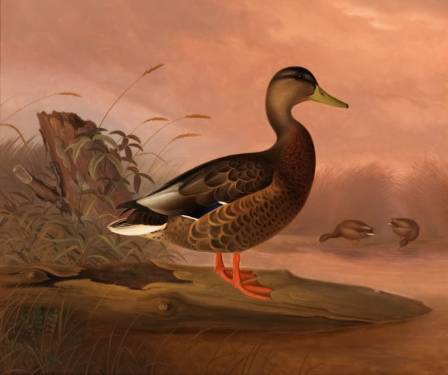
For centuries, the animal kingdom has served as a powerful source of inspiration for artists. These works range from precise anatomical studies to profound symbolic expressions, capturing the essence of the natural world and reflecting our complex relationship with it. The following selection highlights ten particularly notable animal portraits that have left a lasting impression on the history of art.
Carel Fabritius – The Goldfinch (1654)
This delicate and naturalistic depiction focuses on a captive bird, rendered with a blend of emotional depth and observational precision. Fabritius employs loose, expressive brushwork to convey the texture of the feathers. A poignant sense of solitude and fragility permeates the image of the confined creature, a sentiment perhaps echoed by the artist's own untimely death, lending the work a touching vulnerability.
Albrecht Durer – The Rhinoceros (1515)
Created without ever having seen the actual animal, Durer's famous woodcut illustrates the burgeoning scientific curiosity of the Renaissance. His carefully constructed, though not entirely accurate, representation presents the rhino as an armored marvel of nature. The image continues to symbolize a sense of wonder and the pursuit of knowledge, even in our era of readily available photographic references.
Damien Hirst – Away from the Flock (1994)
In this characteristically direct piece, Hirst presents a lamb preserved in formaldehyde, suspending its motion for eternity. The work transitions the animal from its pastoral setting into the clinical space of the gallery. While reminiscent of historical scientific specimens, the installation carries a potent emotional weight, invoking themes of mortality and life abruptly halted.
Ancient Egyptian Bronze Cat (After 600 BC)
This superb bronze sculpture functions both as a sacred effigy of the goddess Bastet and a masterfully observed study of a living cat. The figure possesses the innate grace and inscrutable poise characteristic of felines, qualities that the ancient Egyptians revered as divine. It stands as one of the most respectful artistic tributes to an animal.
Hans Holbein the Younger – A Lady with a Squirrel and a Starling (c. 1526-1528)
In this portrait, the creatures are depicted with the same meticulous detail as the human subject. The squirrel, with its intensely dark and penetrating gaze, holds a particular vividness. Its mysterious, almost otherworldly presence contrasts with the composed elegance of the lady, prompting a meditation on the relationship between humanity and the rest of the animal world.
Diego Velázquez – Head of a Stag (1634)
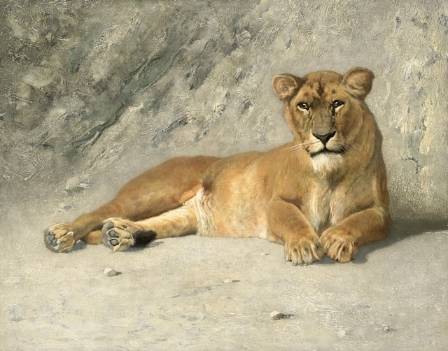
Velázquez brings the same unflinching and dispassionate eye to this stag as he did to his human courtiers. He avoids either sentimentality or mere objectification, achieving instead a genuine portrait. The animal returns the artist's gaze with a palpable awareness. In this moment of mutual observation, the viewer is granted a glimpse into another consciousness, as if seeing the world momentarily through the stag's own eyes.
Edwin Landseer – The Monarch of the Glen (1851)
This grand Victorian painting presents a stag as the undisputed sovereign of its majestic highland domain. Charged with the era's romantic spirit, it expresses a widespread cultural veneration for nature, evident in contemporary works from Darwin's writings to museum decorations. While its dramatic tone may now seem overt, Landseer's deep reverence for wildlife resonates with enduring modern sensibilities.
George Stubbs – Whistlejacket (c. 1762)
This portrait isolates the celebrated racehorse, rearing against an abstract, unfinished background. By omitting a rider and employing a heroic pose reminiscent of classical sculpture, Stubbs focuses attention entirely on the animal's sheer physical magnificence and individual spirit. The artist, known for his detailed anatomical studies of horses, creates an image that seems to transcend its time, celebrating the inherent nobility of the creature.
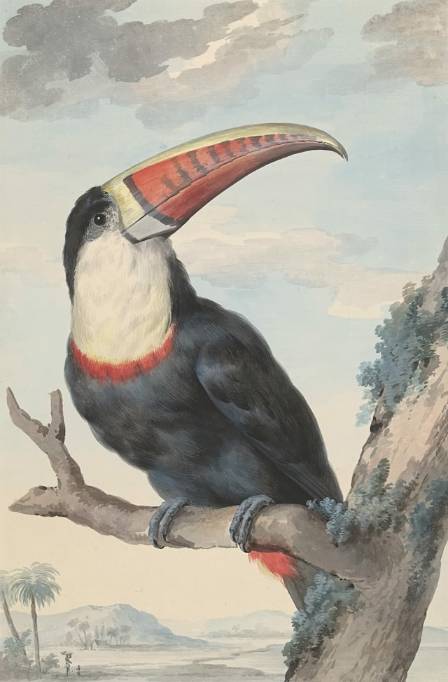
Pech-Merle Cave – Mammoth (Ice Age)
The prehistoric artist who created this cave painting captured the formidable essence of the woolly mammoth with tremendous expressive force. It is not a literal rendering but an embodiment of the animal's wild and formidable nature, likely achieved through a powerful, imaginative act. Like Durer's rhinoceros centuries later, this ancient work stands as a testament to the awe that early humans felt toward the powerful beasts they encountered.
Henri Rousseau – Surprised! (1891)
Rousseau's tiger is a creature of pure imagination, poised in a fantastical, invented jungle. The artist envisions the beast as the fierce ruler of its lush domain, a vibrant and dreamlike counterpart to Landseer's stag. It is a vivid manifestation of primal instinct and untamed energy. The painting invites us to consider a future where such artworks might be the only connection to species that have vanished from the earth.
आपके लिए और खबरें
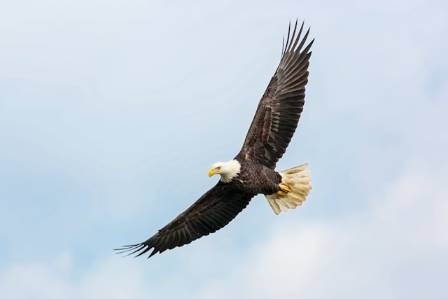
Ten Essential Facts About the Bald Eagle
As a Guinness World Record holder and a symbol of national pride, the Bald Eagle is arguably the most famous bird in North America. These formidable predators are commonly found near large bodies of water, where they construct massive nests and dominate their ecosystems. While their image is synonymous with American identity, these raptors possess several unique and surprising characteristics that go beyond their patriotic reputation.
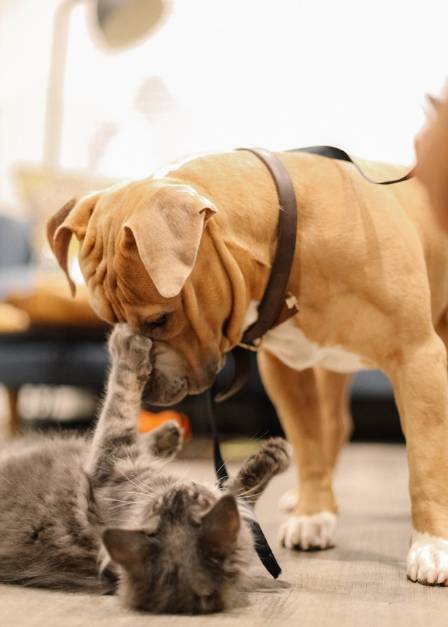
Unraveling the Charm: The Endearing Allure of Dogs and Cats
If your heart skips a beat at the sight of an exuberant puppy wagging its tail or a drowsy kitten stretching in a yawn, you're not alone. Humans have shared an enduring fascination with the irresistible cuteness of their furry companions for centuries. But what lies beneath this universal adoration? Why do we perceive cats as cute, and what is it about dogs that tugs at our heartstrings? Let's delve into the enchanting world of pet cuteness to unravel the mysteries behind our affection for these charming creatures.

Discover the Diversity: 6 Varieties of Daisies to Illuminate Your Garden
Daisies, an integral part of the vast Asteraceae family, comprise an astounding 10 percent of the world's flowering plants. While the Common Daisy and Gerbera Daisy often steal the spotlight, it's fascinating to note that there are over 20,000 distinct "daisy" species within this extensive plant family. The Asteraceae family boasts not only daisies but also includes members like sunflowers, chrysanthemums, and even lettuce.
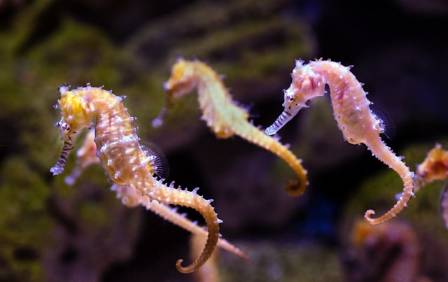
Intriguing Seahorse Insights for Children
Despite their unusual appearance, these creatures are classified as fish.
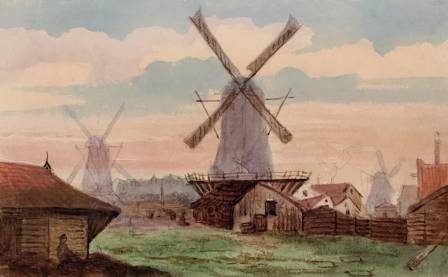
Simple Windmill Drawing: A Beginner's Guide to Illustrating Classic Structures
For hundreds of years, the distinctive silhouette of the windmill has captivated the imagination of artists. These iconic buildings are still a common sight in countries like Denmark, where they serve as a testament to both historical charm and engineering ingenuity. This lesson focuses on simplifying the complex appearance of a windmill into manageable shapes, allowing students to recreate the massive fan structure using basic geometric lines.

The 5 Best Lightweight Vacuums - Summer 2024
Thanks to advancements in design and materials, vacuum cleaners have become increasingly lightweight.