प्रकाशित
Can Tea Breaks Improve Wellbeing? Here's What The Research Shows
We British are renowned for our fondness for a proper tea break. Nightmarish commute? Boil the kettle. Heard some intriguing office news? Share it over a cup.
Alexander
लेखक

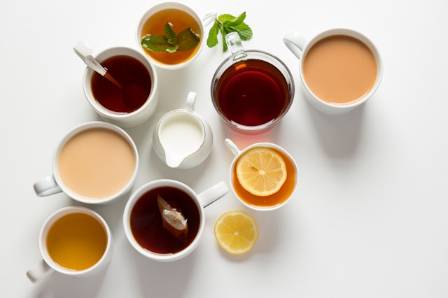
We British are renowned for our fondness for a proper tea break. Nightmarish commute? Boil the kettle. Heard some intriguing office news? Share it over a cup. Overwhelming tasks? Moment for a brew. Tea breaks are a cornerstone of work culture: a chance to pause, however chaotic the day, whether you're working from home solo or in a bustling office and keen for a quick chat with a coworker. Recent findings from the Tea Advisory Panel (TAP) indicate that more than one in three Brits view tea as a crucial chance to take a breather, with over half of respondents stating it aids relaxation. But does the research support this?
What Wellbeing Advantages Do Tea Breaks Offer?
Morning and afternoon tea breaks initially rose to prominence in the 1700s, when bosses started supplying teapots and tea to employees – a method to enhance efficiency and interrupt lengthy workdays. By the 1800s, tea had become a fundamental beverage in Britain, as cheaper types of assam, darjeeling and ceylon became available, allowing more people to drink it regularly. Tea houses also began appearing nationwide, offering pots of tea at affordable rates, together with freshly baked treats.
The custom has endured, but today we primarily seek tea for its anxiety-alleviating qualities, if TAP’s study is indicative. More than 55 percent of participants reported that tea provided them with solace, while 29 percent claimed it lifted their spirits. So can a tea break genuinely enhance our wellbeing? In brief: yes. TAP’s survey was accompanied by a review of existing scientific literature, which examined 33 separate studies, uncovering numerous research-supported advantages of consuming tea.

The advantages of tea are partly cultural and partly scientific,’ explains dietitian and TAP representative Dr Carrie Ruxton. ‘Tea has deep roots in our national consciousness, and we link it with home, family, unwinding and comfort. However, there is also solid proof related to unique bioactive compounds naturally present in tea.’
Lowering Anxiety
For instance, a Japanese investigation discovered that merely breathing in the scent of black tea reduced stress indicators – with darjeeling especially shown to enhance readiness before undertaking a demanding activity. Meanwhile, scientists in the UK established that consuming tea for six weeks led to decreased cortisol concentrations.
This is logical: numerous teas include soothing substances, such as GABA, a neurotransmitter that calms brain activity by inhibiting certain signals, and L-theanine, an amino acid present in black tea. These are present in types including oolong, black, green and matcha.
‘GABA is a naturally occurring amino acid that functions as a neurotransmitter and is recognized for managing stress and sleep, so it is plausible that teas containing GABA will assist in reducing anxiety and enhancing sleep,’ states Dr Ruxton. ‘L-theanine has been demonstrated to manage sleep issues through the GABA receptors and the neurotransmitter network, which transmits communications between the brain and body.’
Strengthens Social Bonds
Tea has long been praised for its ritual nature – which also applies to workplace settings. In a discussion with the BBC, occupational psychologist Cary Cooper characterized breaks as a vital strategy for managing inactive office routines. ‘These days we remain seated facing displays, not interacting face to face and even messaging individuals in the same building,’ she observed. ‘We must encourage individuals to be more engaged and interact with others. The tea or coffee break is a means of achieving this.’
Could Enhance Efficiency
It might divert you from your duties briefly, but a tea break may ultimately raise your output. This stems from the caffeine, which can elevate alertness without the nervous sensation coffee (often containing more caffeine) can occasionally produce. Evidence backs this: one study, for example, associated tea intake with better job performance and diminished fatigue.
So can a mug of tea truly remedy all? ‘No one is arguing that a habitual cup of tea can resolve all the country’s psychological health difficulties,’ concludes Dr Ruxton, ‘but substantial evidence indicates it can significantly help relieve symptoms linked to stress and worry.’ Perhaps it’s time to switch on the kettle.
आपके लिए और खबरें

Ten Essential Facts About the Bald Eagle
As a Guinness World Record holder and a symbol of national pride, the Bald Eagle is arguably the most famous bird in North America. These formidable predators are commonly found near large bodies of water, where they construct massive nests and dominate their ecosystems. While their image is synonymous with American identity, these raptors possess several unique and surprising characteristics that go beyond their patriotic reputation.

Unraveling the Charm: The Endearing Allure of Dogs and Cats
If your heart skips a beat at the sight of an exuberant puppy wagging its tail or a drowsy kitten stretching in a yawn, you're not alone. Humans have shared an enduring fascination with the irresistible cuteness of their furry companions for centuries. But what lies beneath this universal adoration? Why do we perceive cats as cute, and what is it about dogs that tugs at our heartstrings? Let's delve into the enchanting world of pet cuteness to unravel the mysteries behind our affection for these charming creatures.

Discover the Diversity: 6 Varieties of Daisies to Illuminate Your Garden
Daisies, an integral part of the vast Asteraceae family, comprise an astounding 10 percent of the world's flowering plants. While the Common Daisy and Gerbera Daisy often steal the spotlight, it's fascinating to note that there are over 20,000 distinct "daisy" species within this extensive plant family. The Asteraceae family boasts not only daisies but also includes members like sunflowers, chrysanthemums, and even lettuce.

Intriguing Seahorse Insights for Children
Despite their unusual appearance, these creatures are classified as fish.
Simple Windmill Drawing: A Beginner's Guide to Illustrating Classic Structures
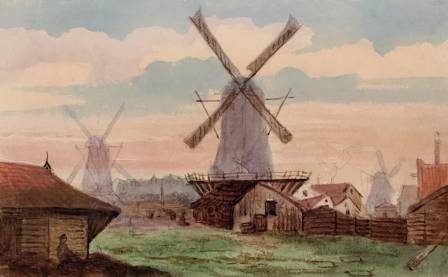
For hundreds of years, the distinctive silhouette of the windmill has captivated the imagination of artists. These iconic buildings are still a common sight in countries like Denmark, where they serve as a testament to both historical charm and engineering ingenuity. This lesson focuses on simplifying the complex appearance of a windmill into manageable shapes, allowing students to recreate the massive fan structure using basic geometric lines.

The 5 Best Lightweight Vacuums - Summer 2024
Thanks to advancements in design and materials, vacuum cleaners have become increasingly lightweight.