प्रकाशित
Mastering the Classic French Soufflé
The soufflé is a legendary French creation that often carries a reputation for being temperamental and difficult to execute. However, with a solid understanding of its fundamental principles, this airy dish is quite manageable for any home cook. At its core, a soufflé consists of two primary elements: a flavored base made of egg yolks (such as a savory purée or a sweet pastry cream) and stiffly beaten egg whites.
Alistair Beaumont
लेखक
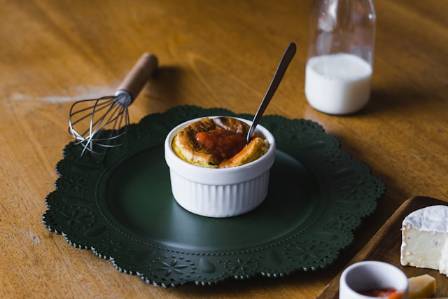
##
The soufflé is a legendary French creation that often carries a reputation for being temperamental and difficult to execute. However, with a solid understanding of its fundamental principles, this airy dish is quite manageable for any home cook. At its core, a soufflé consists of two primary elements: a flavored base made of egg yolks (such as a savory purée or a sweet pastry cream) and stiffly beaten egg whites.
In savory preparations, the base is often enriched with cheese, herbs, or vegetables. For dessert versions, the profile shifts toward chocolate, vanilla, or fruit preserves. The magic occurs when the egg whites are folded gently into the base, creating a batter filled with air. Once baked, the soufflé rises into a magnificent, fluffy tower that must be enjoyed immediately, as it will naturally begin to deflate within minutes of leaving the heat.
Essential Preparation and Equipment Tips
Choosing the correct vessel is the first step toward success. The ideal soufflé dish is made of stoneware or heat-resistant glass with perfectly vertical sides, which guide the batter upward. For a four-egg recipe, a 1.5-liter dish is standard, while a six-egg version requires a 2-liter dish. It is vital not to use a dish that is too large, as it can prevent the center from cooking through properly.
To ensure an even rise, the interior of the dish must be lubricated with butter and then "sanded" with a dry coating. For sweet recipes, granulated sugar or cinnamon works best; for savory versions, breadcrumbs or finely grated Parmesan cheese provide the necessary grip. This coating prevents the batter from sticking to the sides, allowing it to climb the walls of the dish uniformly.
Creating a Stable Foundation
The base of the soufflé must be silky and free of lumps. Continuous stirring during the cooking of the cream sauce is mandatory, as any irregularities in the texture will hinder a uniform rise. Once the base is cooked, it must be allowed to cool slightly before the egg whites are introduced. If the base is too hot, it will prematurely cook the whites and ruin the aeration.
For the egg whites, many professional chefs prefer using a copper bowl, as the reaction between the metal and the egg proteins creates a more stable foam. Whisking by hand is often recommended for better sensory feedback, allowing you to incorporate maximum air without over-beating the whites until they become dry. When combining the two mixtures, use a gentle folding motion to preserve as much volume as possible.
Baking Secrets for a Perfect Rise
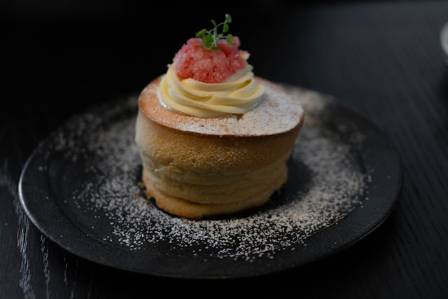
Once the batter is assembled and transferred to the ramekins—ideally using a piping bag for even distribution—it must go into the oven without delay. Higher oven temperatures generally lead to a more dramatic rise due to rapid steam expansion, though this also results in a quicker collapse once the dish is removed.
Crucially, the oven door should remain closed for at least the first three-quarters of the baking process. A premature blast of cool air can cause the fragile structure to fail. To determine if it is finished, look for a golden-brown top and a slight jiggle in the center when the pan is moved. If the top feels firm and looks toasted, the soufflé is ready to be served.
Traditional Soufflé Recipe
This basic recipe serves four and is designed to produce a classic, reliable result. For the best results, use cold eggs to separate the yolks from the whites more cleanly, but ensure the yolks are at room temperature before mixing them into the hot sauce.
Ingredients:
-
2 tbsp butter
-
2 tbsp all-purpose flour
-
1/2 tsp salt and a pinch of pepper
-
3/4 cup milk (1% or whole)
-
4 egg yolks
-
2 egg whites
-
1/4 tsp cream of tartar
Instructions:
-
Prepare the Roux: Melt the butter in a saucepan over low heat. Whisk in the flour, salt, and pepper. Cook until the mixture is bubbling and smooth. Gradually pour in the milk and bring to a boil, stirring constantly until the sauce is thick and glossy.
-
Temper the Yolks: In a separate bowl, beat the egg yolks well. Slowly whisk about 1/4 cup of the hot sauce into the yolks to temper them, then combine the yolk mixture back into the main saucepan. Blend thoroughly and set aside to cool.
-
Whip the Whites: In a large clean bowl, beat the egg whites with the cream of tartar until stiff, glossy peaks form. Do not over-beat to the point of dryness.
-
Fold and Bake: Stir a small scoop of whites into the cooled yolk sauce to lighten it, then gently fold the sauce into the remaining egg whites. Pour the batter into a buttered 1-liter soufflé dish. Bake in a preheated oven at 375°F (190°C) for 20 to 25 minutes. Serve at once.
आपके लिए और खबरें

Ten Essential Facts About the Bald Eagle
As a Guinness World Record holder and a symbol of national pride, the Bald Eagle is arguably the most famous bird in North America. These formidable predators are commonly found near large bodies of water, where they construct massive nests and dominate their ecosystems. While their image is synonymous with American identity, these raptors possess several unique and surprising characteristics that go beyond their patriotic reputation.

Unraveling the Charm: The Endearing Allure of Dogs and Cats
If your heart skips a beat at the sight of an exuberant puppy wagging its tail or a drowsy kitten stretching in a yawn, you're not alone. Humans have shared an enduring fascination with the irresistible cuteness of their furry companions for centuries. But what lies beneath this universal adoration? Why do we perceive cats as cute, and what is it about dogs that tugs at our heartstrings? Let's delve into the enchanting world of pet cuteness to unravel the mysteries behind our affection for these charming creatures.

Discover the Diversity: 6 Varieties of Daisies to Illuminate Your Garden
Daisies, an integral part of the vast Asteraceae family, comprise an astounding 10 percent of the world's flowering plants. While the Common Daisy and Gerbera Daisy often steal the spotlight, it's fascinating to note that there are over 20,000 distinct "daisy" species within this extensive plant family. The Asteraceae family boasts not only daisies but also includes members like sunflowers, chrysanthemums, and even lettuce.

Intriguing Seahorse Insights for Children
Despite their unusual appearance, these creatures are classified as fish.

Simple Windmill Drawing: A Beginner's Guide to Illustrating Classic Structures
For hundreds of years, the distinctive silhouette of the windmill has captivated the imagination of artists. These iconic buildings are still a common sight in countries like Denmark, where they serve as a testament to both historical charm and engineering ingenuity. This lesson focuses on simplifying the complex appearance of a windmill into manageable shapes, allowing students to recreate the massive fan structure using basic geometric lines.

The 5 Best Lightweight Vacuums - Summer 2024
Thanks to advancements in design and materials, vacuum cleaners have become increasingly lightweight.