प्रकाशित
Creating Dimensional Seashell Pattern Artwork
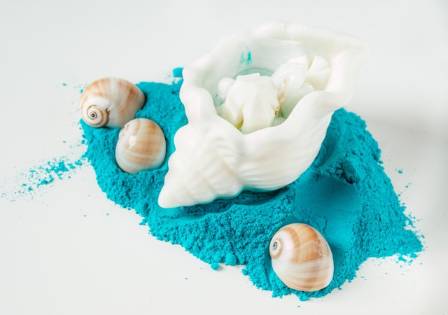
Constructing 3D seashell pattern art is a delightful way to bring the essence of the coast indoors. This project merges the meditative practice of doodle art with the tactile nature of torn-paper collage, resulting in a vibrant beach scene complete with frothy waves and sandy shores. By using a series of diverse shell templates, artists can choose to fill each shape with intricate line work or simple, bold colors, making it an adaptable activity for various skill levels and timeframes.
Nicholas Aaron Whitfield
लेखक
##
Constructing 3D seashell pattern art is a delightful way to bring the essence of the coast indoors. This project merges the meditative practice of doodle art with the tactile nature of torn-paper collage, resulting in a vibrant beach scene complete with frothy waves and sandy shores. By using a series of diverse shell templates, artists can choose to fill each shape with intricate line work or simple, bold colors, making it an adaptable activity for various skill levels and timeframes.
This seaside craft is particularly well-suited for creators aged eight and above, as it involves a blend of patterning, precision cutting, and assembly. While older participants can challenge themselves with complex geometric designs, younger crafters can enjoy the process with a bit of adult assistance. Printing the shell templates on sturdy cardstock is recommended to help the dimensional elements hold their shape, though standard paper remains a functional alternative for home or classroom settings.
Necessary Supplies and Preparation
To begin your coastal masterpiece, you will need white cardstock for the shells and a variety of paper or cardstock in yellow, white, and two distinct shades of blue for the background. A set of markers—either permanent or washable—will be needed for the doodle work. Additional tools include a pair of sharp scissors and a reliable glue stick. The project relies on specific support strips included in the template to give the shells their elevated, three-dimensional appearance.
For those working in large groups or classrooms, the templates are often designed to be divided, allowing multiple artists to share resources and reduce paper waste. This flexibility ensures that everyone can contribute unique shells of varying sizes to a collective display or create their own individual shoreline.
Crafting the Dimensional Shells
The first phase of the project involves personalizing your seashells. Select three designs from your template and fill them with patterns such as dots, swirls, or zig-zags. Once the coloring is finished, carefully cut out each shell. To prepare the 3D mechanism, cut the designated support strips and fold them into small square rings, securing them with glue. Each seashell will typically require two to three of these paper squares attached to its underside to provide stable elevation.
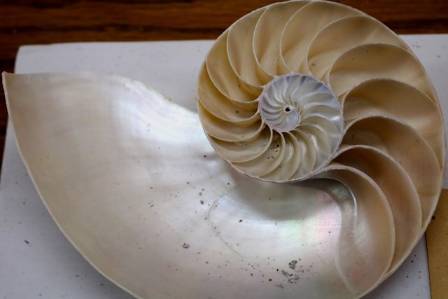
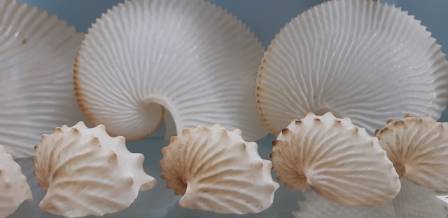
This stage is the most creative part of the process, as the patterns you choose define the character of your artwork. If you find yourself looking for inspiration, observing the natural ridges and spots on real ocean treasures can provide excellent ideas for your line art.
##
Assembling the Textured Beach Background
Creating the background involves a "torn paper" technique that adds organic texture to the water. Gently tear the white, light blue, and dark blue papers vertically with a slight curve to mimic the irregular edge of a breaking wave. Layer these pieces onto a yellow background, starting with the white "foam" at the base, followed by the light blue and the dark blue sections. You can align these waves horizontally or at a dynamic angle across the page, trimming any overhanging edges to fit.
After the paper is glued down, use a black marker to define the torn edges. Adding small details—such as large bubbles in the white foam, tiny dots in the light blue water, and flowing lines in the deep blue—enhances the sense of movement within the sea. This step transforms the flat paper into a lively, crashing surf.
Final Composition and Display
The final step is to bring the scene to life by placing your treasures on the shore. Apply glue to the paper support squares on the back of your patterned shells and arrange them across the sandy yellow portion of your collage. Press them down firmly to ensure they are secure. The resulting height difference between the shells and the background creates a striking shadow effect that makes the artwork pop.
Once the adhesive has fully cured, your 3D seashell art is ready to be showcased. Whether displayed individually or as part of a larger ocean-themed collection, these textured pieces serve as a cheerful reminder of summer days spent by the water.
आपके लिए और खबरें
Ten Essential Facts About the Bald Eagle
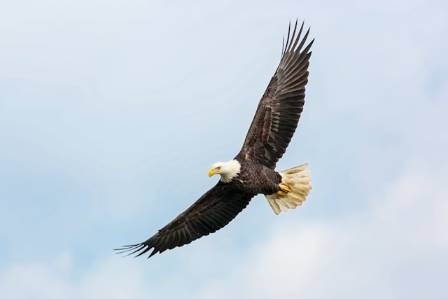
As a Guinness World Record holder and a symbol of national pride, the Bald Eagle is arguably the most famous bird in North America. These formidable predators are commonly found near large bodies of water, where they construct massive nests and dominate their ecosystems. While their image is synonymous with American identity, these raptors possess several unique and surprising characteristics that go beyond their patriotic reputation.

Unraveling the Charm: The Endearing Allure of Dogs and Cats
If your heart skips a beat at the sight of an exuberant puppy wagging its tail or a drowsy kitten stretching in a yawn, you're not alone. Humans have shared an enduring fascination with the irresistible cuteness of their furry companions for centuries. But what lies beneath this universal adoration? Why do we perceive cats as cute, and what is it about dogs that tugs at our heartstrings? Let's delve into the enchanting world of pet cuteness to unravel the mysteries behind our affection for these charming creatures.
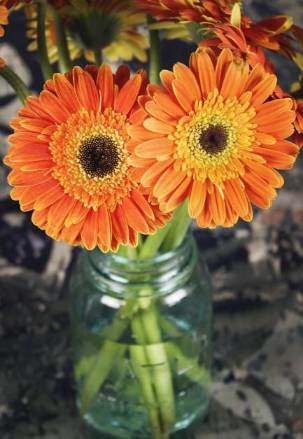
Discover the Diversity: 6 Varieties of Daisies to Illuminate Your Garden
Daisies, an integral part of the vast Asteraceae family, comprise an astounding 10 percent of the world's flowering plants. While the Common Daisy and Gerbera Daisy often steal the spotlight, it's fascinating to note that there are over 20,000 distinct "daisy" species within this extensive plant family. The Asteraceae family boasts not only daisies but also includes members like sunflowers, chrysanthemums, and even lettuce.
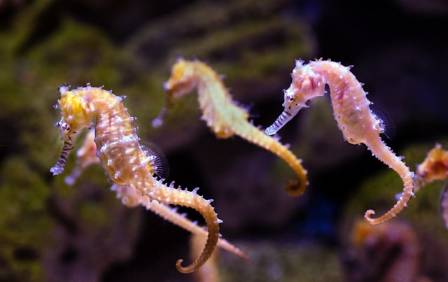
Intriguing Seahorse Insights for Children
Despite their unusual appearance, these creatures are classified as fish.
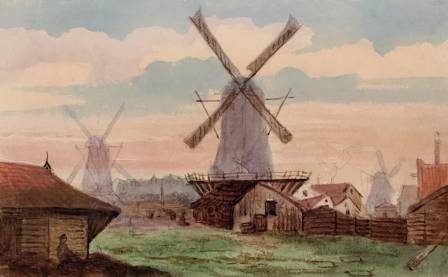
Simple Windmill Drawing: A Beginner's Guide to Illustrating Classic Structures
For hundreds of years, the distinctive silhouette of the windmill has captivated the imagination of artists. These iconic buildings are still a common sight in countries like Denmark, where they serve as a testament to both historical charm and engineering ingenuity. This lesson focuses on simplifying the complex appearance of a windmill into manageable shapes, allowing students to recreate the massive fan structure using basic geometric lines.

The 5 Best Lightweight Vacuums - Summer 2024
Thanks to advancements in design and materials, vacuum cleaners have become increasingly lightweight.