प्रकाशित
Flamingos' Sun-Fighting Beauty Routine: Keeping the Pink Alive
Greater flamingos aren't interested in sporting sun-faded neck feathers. In fact, they have a unique way of maintaining their vibrant pink plumage, which scientists have recently unveiled. These leggy birds, scientifically known as Phoenicopterus roseus, utilize a serum secreted by glands near their tails to both enhance and safeguard their feathery hues against the sun's bleaching effect. It's not just about looking pretty; flamingos' feathers play critical roles in flying, staying dry, and attracting mates.
Esme Willow
लेखक
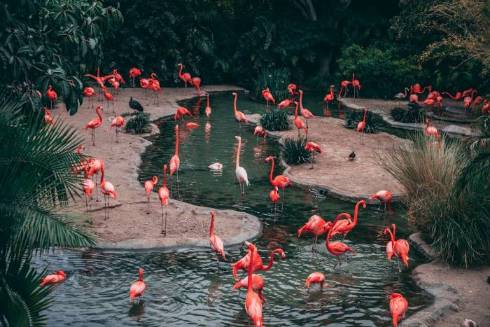
Greater flamingos aren't interested in sporting sun-faded neck feathers. In fact, they have a unique way of maintaining their vibrant pink plumage, which scientists have recently unveiled. These leggy birds, scientifically known as Phoenicopterus roseus, utilize a serum secreted by glands near their tails to both enhance and safeguard their feathery hues against the sun's bleaching effect. It's not just about looking pretty; flamingos' feathers play critical roles in flying, staying dry, and attracting mates.
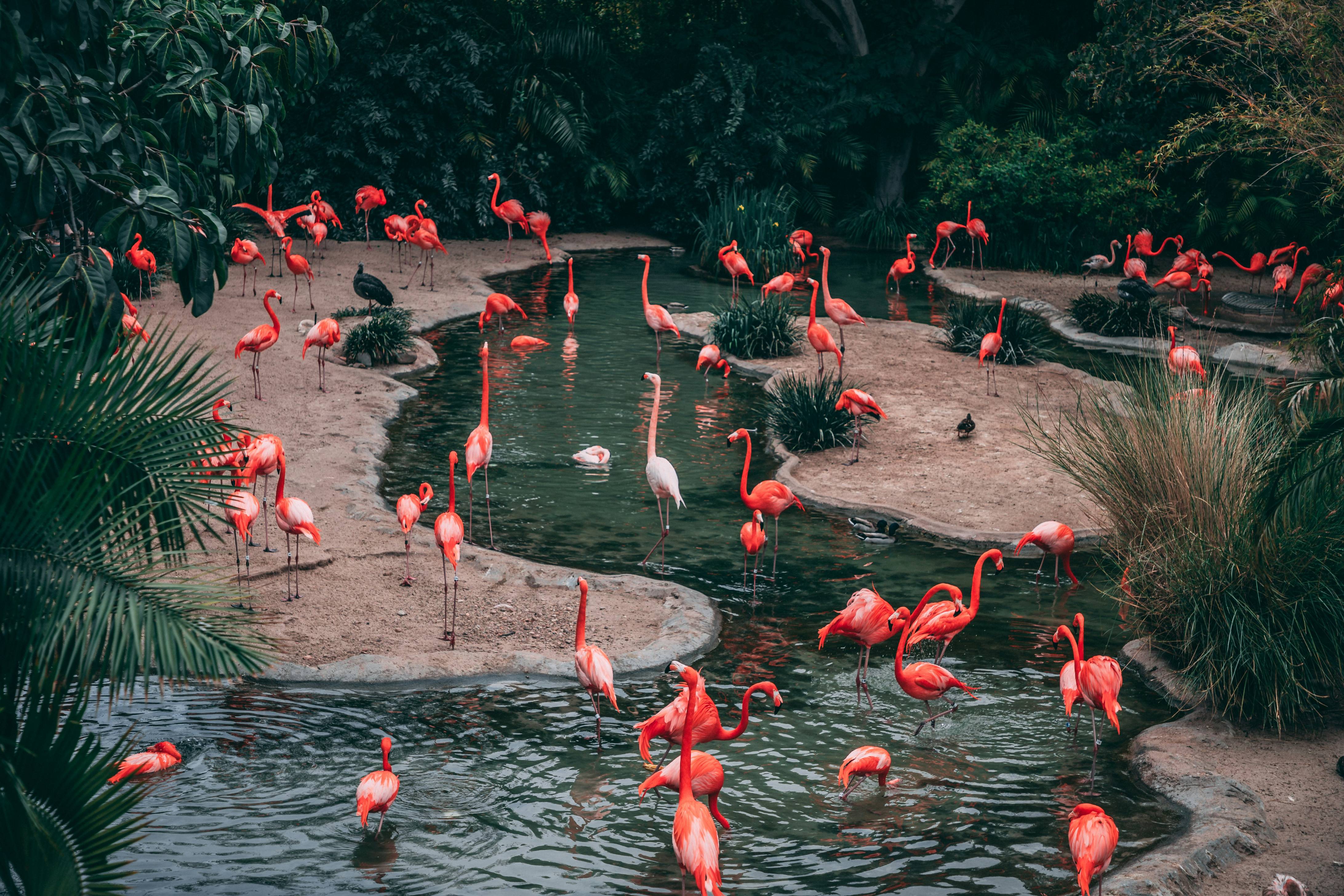
The stunning red coloration of these feathers is derived from carotenoids, molecules found in their diet of brine shrimp and algae, responsible for various natural pigments. When it comes to grooming, flamingos exhibit behavior akin to how we tend to our hair, cleaning out dirt and parasites while adding color. Their DIY feather dye procedure involves rubbing their cheeks on a gland above their tail, known as the uropygial gland, to collect the color-carrying serum. This serum, once obtained, is deftly applied to their feathers, often accompanied by graceful neck movements, all intended to captivate potential mates.
However, ultraviolet radiation from the sun can break down these precious carotenoids. This raised questions in the mind of Maria Cecilia Chiale, a biologist at Universidad Nacional de La Plata in Argentina. She wondered if flamingos needed constant reapplication of the serum to prevent color loss, which might explain their compulsion to frequently refresh their plumage.
Intrigued by this, Chiale and her team collected numerous neck feathers from French flamingos that perished during a cold spell. The feathers were then scanned and their color analyzed using Adobe Photoshop. Half of them were exposed to sunlight, while the other half remained in darkness. After 40 days, fresh scans revealed that the exposed feathers had faded and become paler compared to those shielded from the sun.
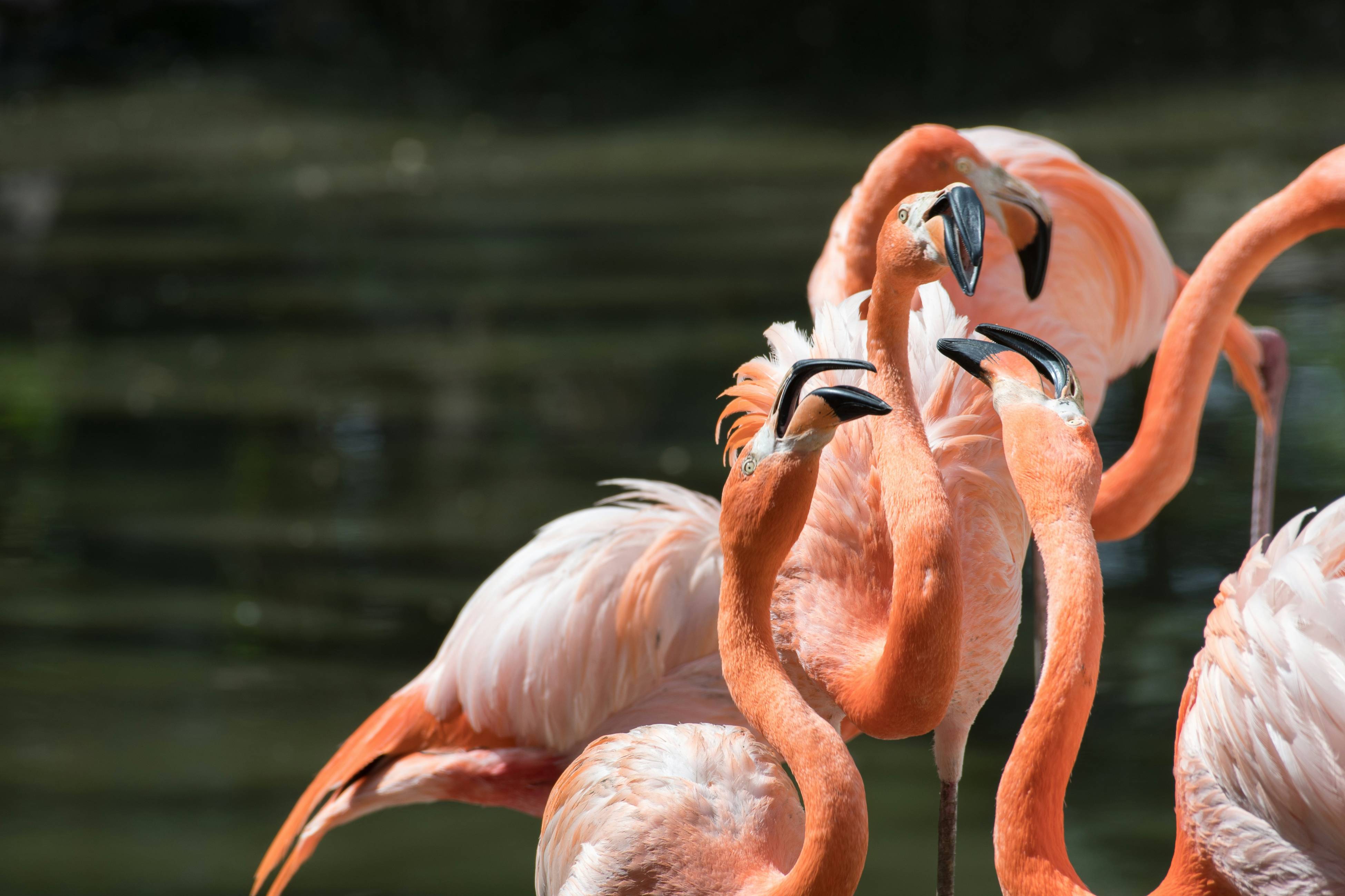
Before conducting the exposure experiment, Chiale had extracted carotenoids from the surface and interior of each feather. Post-exposure, her findings demonstrated that feathers with higher carotenoid concentrations retained more color. This implied that these birds had applied a more generous amount of serum to those feathers, granting them better protection against fading than feathers with a thinner coating.
The research reveals that flamingos diligently preserve their rosy necks throughout their extensive display season as they gear up for mating. Otherwise, their feathers would turn pallid. According to Henrique Delfino, an ecologist at Universidade Federal do Rio Grande do Sul in Brazil, who was not part of the study, "Preening behaviors...have great social importance for flamingos because they live in large flocks and have synchronized behavior." It not only serves for waterproofing but also reinforces their feather color as a signal, which is vital for their social communication. In the absence of vibrant plumage to signal their well-being, flamingos might struggle to find a mate.
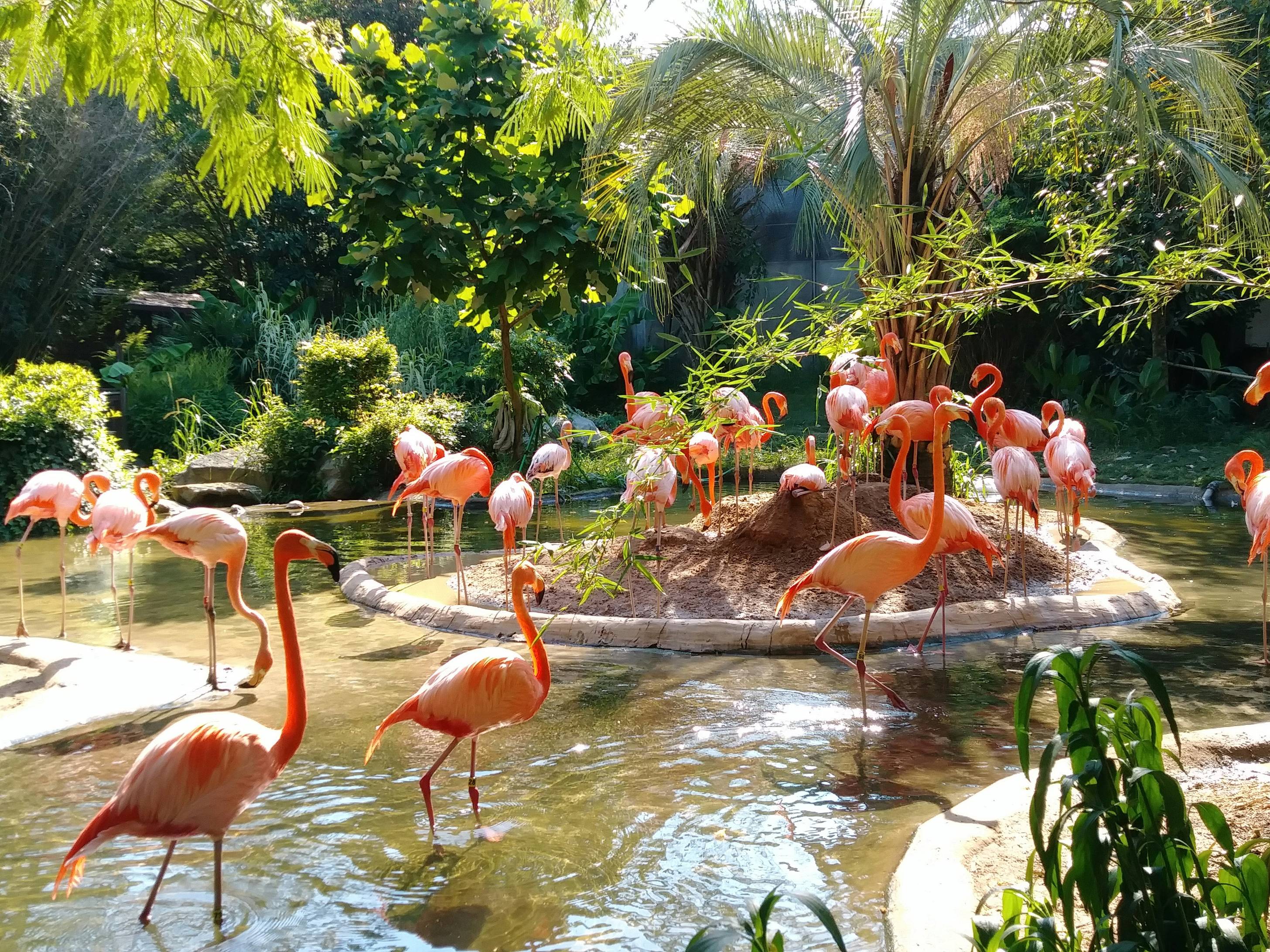
The effort invested in safeguarding their feathers against fading doesn't persist indefinitely. Once they've secured a mate and successfully hatched a chick, flamingos seem to tuck away their beauty routine – at least until the following year's mating season. The concentration of carotenoids in the serum decreases significantly, and the flamingos apply it far less frequently. As Maria Cecilia Chiale aptly puts it, "They don't need to have makeup on while they're raising the kids. They need that energy to take care of their chicks."
आपके लिए और खबरें
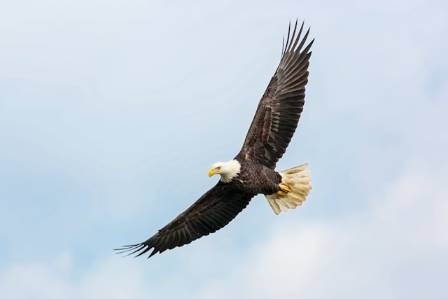
Ten Essential Facts About the Bald Eagle
As a Guinness World Record holder and a symbol of national pride, the Bald Eagle is arguably the most famous bird in North America. These formidable predators are commonly found near large bodies of water, where they construct massive nests and dominate their ecosystems. While their image is synonymous with American identity, these raptors possess several unique and surprising characteristics that go beyond their patriotic reputation.

Unraveling the Charm: The Endearing Allure of Dogs and Cats
If your heart skips a beat at the sight of an exuberant puppy wagging its tail or a drowsy kitten stretching in a yawn, you're not alone. Humans have shared an enduring fascination with the irresistible cuteness of their furry companions for centuries. But what lies beneath this universal adoration? Why do we perceive cats as cute, and what is it about dogs that tugs at our heartstrings? Let's delve into the enchanting world of pet cuteness to unravel the mysteries behind our affection for these charming creatures.

Discover the Diversity: 6 Varieties of Daisies to Illuminate Your Garden
Daisies, an integral part of the vast Asteraceae family, comprise an astounding 10 percent of the world's flowering plants. While the Common Daisy and Gerbera Daisy often steal the spotlight, it's fascinating to note that there are over 20,000 distinct "daisy" species within this extensive plant family. The Asteraceae family boasts not only daisies but also includes members like sunflowers, chrysanthemums, and even lettuce.
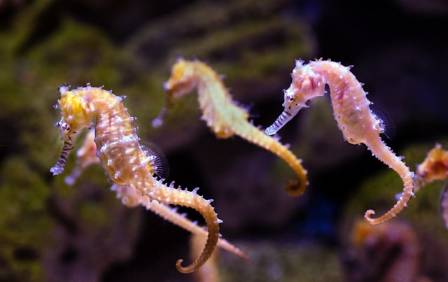
Intriguing Seahorse Insights for Children
Despite their unusual appearance, these creatures are classified as fish.

Simple Windmill Drawing: A Beginner's Guide to Illustrating Classic Structures
For hundreds of years, the distinctive silhouette of the windmill has captivated the imagination of artists. These iconic buildings are still a common sight in countries like Denmark, where they serve as a testament to both historical charm and engineering ingenuity. This lesson focuses on simplifying the complex appearance of a windmill into manageable shapes, allowing students to recreate the massive fan structure using basic geometric lines.

The 5 Best Lightweight Vacuums - Summer 2024
Thanks to advancements in design and materials, vacuum cleaners have become increasingly lightweight.